Rubber Surfacing
February 26, 2021 2026-11-04 17:34Rubber Surfacing



Wet pour and playground safety surfacing
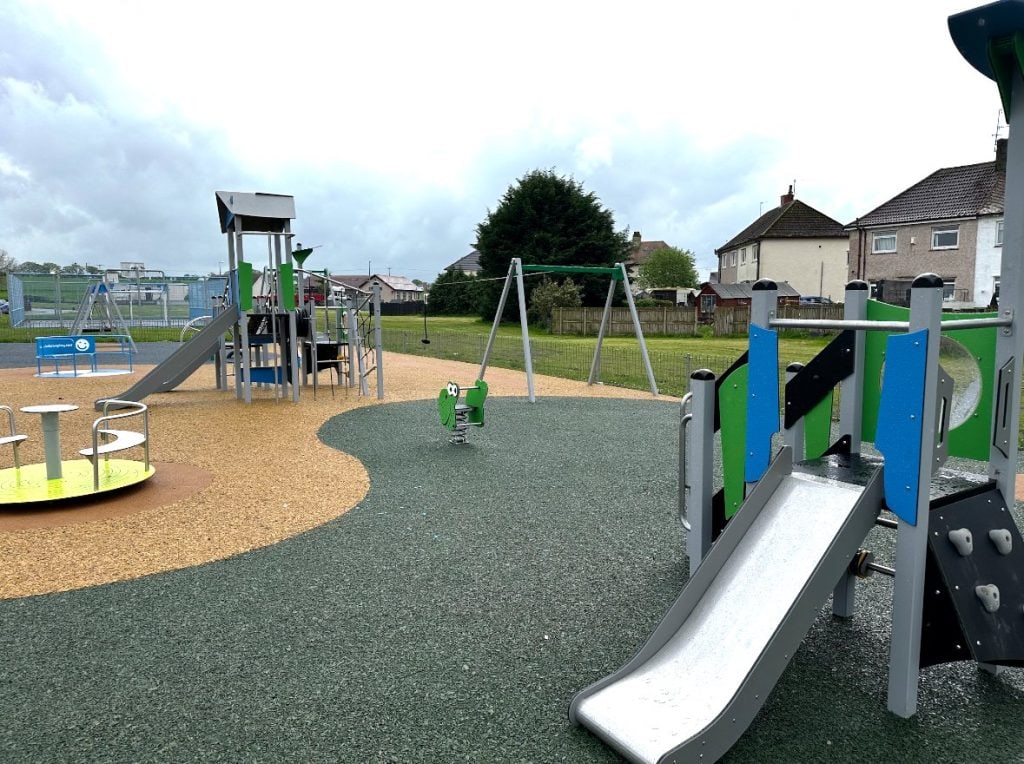
Wet pour rubber surfacing for play areas
Wet pour is the seamless rubber safety surface you see under play equipment in school playgrounds and council parks. We lay new wet pour, repair worn and damaged areas, and resurface tired play areas, all with our own team.
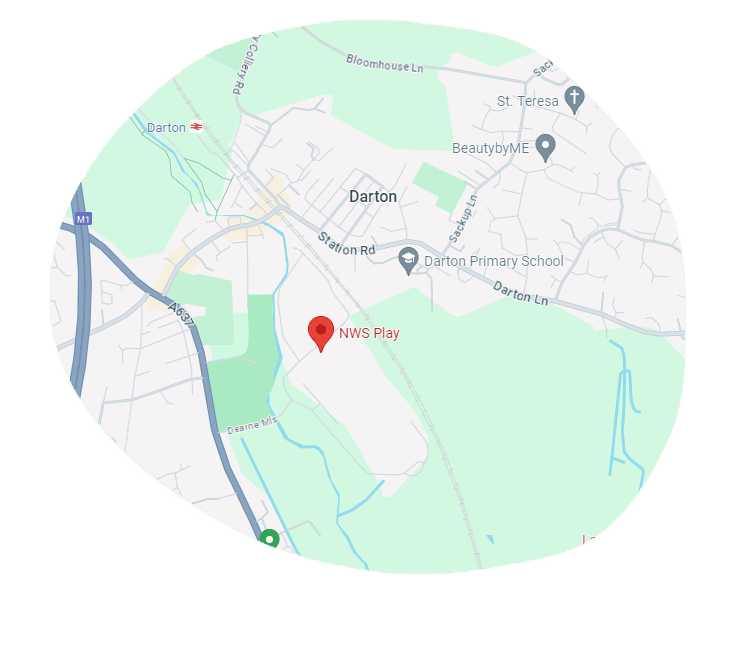
We are based in Darton, Barnsley, and lay wet pour for schools, nurseries, councils and parish councils across Yorkshire and the rest of the UK.
our work
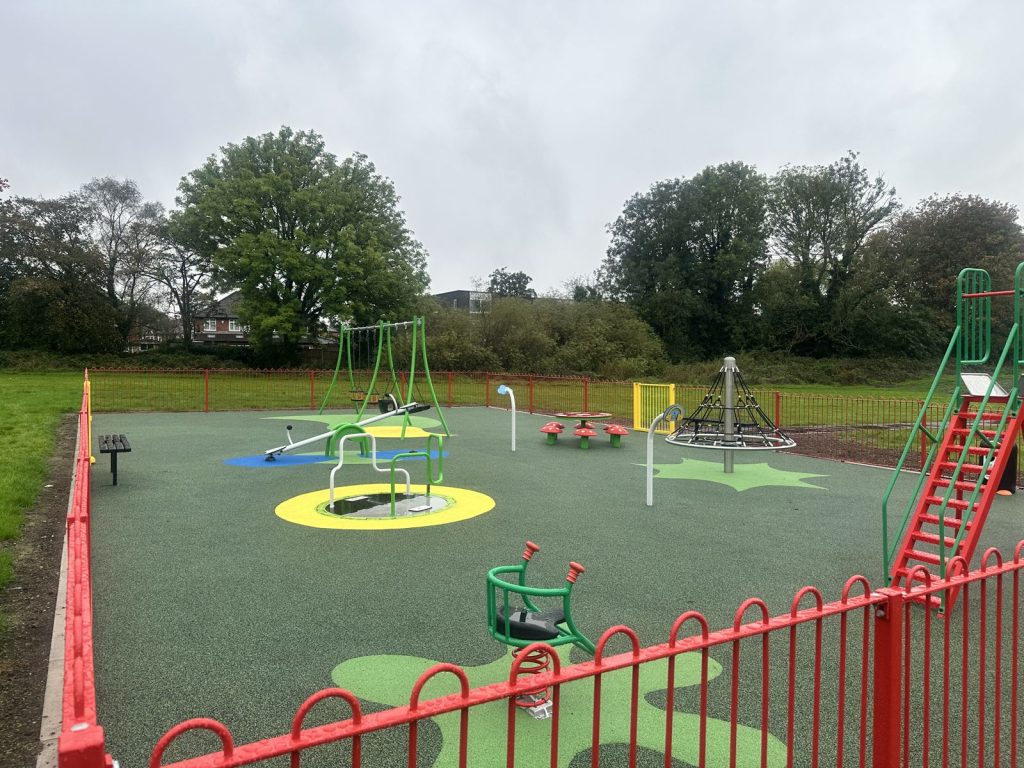
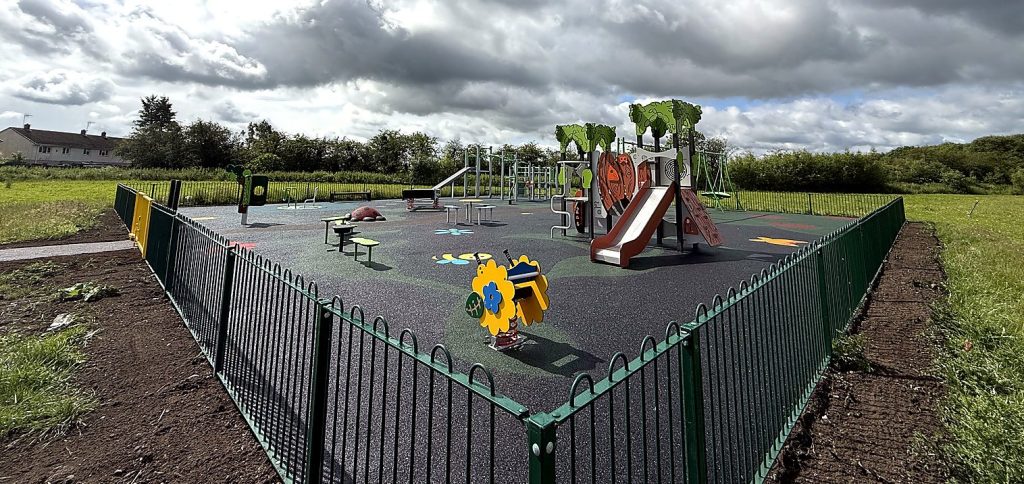
Recent wet pour jobs
New play areas, colourful school surfacing and patch repairs, all laid by the lads.



How we lay it
Wet pour laid properly, from the base up
A wet pour surface is only as good as what is under it. We dig out, lay and compact a stone base, then lay a black rubber base layer to the depth your equipment needs, followed by a coloured top layer.
The depth is set by the critical fall height of the equipment above it, so the surface protects children where it matters. Around the edges we finish to kerbs or edgings so it does not lift or crumble.
You can have one colour, a mix of colours, or games and graphics laid straight into the surface, like hopscotch, footprints, rivers and roads.
Why schools and councils choose it
Benefits of wet pour
- Laid to the critical fall height of your equipment
- Seamless, so there are no loose bits to kick around
- Porous, so it drains and can be used all year round
- Wheelchair and pushchair friendly
- Any colour, with games and graphics built in
- Patch repairs are quick when it does get damaged

Schools, councils and parish councils
Wet pour for schools and council play areas
Most of our wet pour goes down in school playgrounds, nursery outdoor areas and council and parish play areas. We work around term times and opening hours, fence the area off and keep the site tidy while we are there.
Recent wet pour work includes Redscope Primary School in Rotherham, Coronation Park in Maltby, Darlington Grove in Moorends and Upton Village Green near Pontefract. See more on our areas we cover pages.
Wet pour explained
What goes into a wet pour safety surface
Wet pour is the most common safety surface in UK play areas, and for good reason. It is seamless, hard wearing and can be laid in almost any colour. Here is how it is built, what affects the price and how to look after it.
Two layers, bonded together
Wet pour is laid in two layers. The base layer is recycled SBR rubber bound with a polyurethane binder, and its depth is set by the critical fall height of the equipment above it. The top layer is a finer EPDM rubber granule that gives the colour and the hard wearing finish.
Both layers are mixed on site and trowelled by hand, so the finished surface has no joins to lift or trip over.
A proper base underneath
Wet pour is only as good as what it sits on. Where there is sound tarmac or concrete we can lay straight onto it. Where there is grass or broken ground we dig out, lay and compact a stone sub-base and fix edging, so the surface stays flat and the edges do not crumble. Wet pour lets water through, so the base has to drain too.
Colours, games and graphics
The top layer can be any colour, and we can lay shapes, swirls, roads, number grids and games straight into the surface, like the coloured play areas on this page. Graphics take more time to lay than a single colour, so they add to the cost, but they turn a plain surface into part of the play.
What affects the price
- The size of the area and its shape
- The fall heights, which set how deep the base layer must be
- Whether we can lay onto existing tarmac or need a new sub-base
- The colours and any graphics
- Taking up and disposing of an old surface
- Access for barrows and deliveries
Repairs, overlays and resurfacing
Small holes and lifted edges can be cut out and patched. Where the base is sound but the top is worn, we can lay a new top layer over it. Where the base has failed, the best answer is to take it up and start again. We will tell you honestly which one your surface needs. See our repairs and maintenance page.
Looking after wet pour
Keep it swept, clear leaves and moss before they build up, and pull any weeds at the edges. An occasional low pressure wash keeps the colour bright. The areas under swings and at the bottom of slides wear first, and can be patched before they become a trip hazard.
Questions we get asked
Wet pour questions
Can you repair wet pour rather than replace it?
Usually, yes. Holes, worn patches under swings and lifting edges can be cut out and relaid. If the whole surface is tired but the base is sound, we can lay a new top layer over it. See our playground repairs page.
How long does it take?
It depends on the size of the area and the weather, as wet pour needs dry conditions to lay. Most school and parish jobs are done in a few days on site, and we will give you a programme with your quote.
Can it be done in the school holidays?
Yes, and we book a lot of school work for half terms and the summer holidays, so it is worth getting in touch early.
Wet pour or rubber mulch?
Wet pour gives a smooth, seamless finish and bright colours. Rubber mulch has a more natural look and suits green spaces. We lay both and can tell you which suits your site.
How thick does wet pour need to be?
It depends on the critical fall height of the equipment. The higher the fall height, the deeper the base layer. We set the depth for each piece of equipment.
Can wet pour go over existing tarmac?
Yes, if the tarmac is sound, level and drains. If it is broken up or holds water, we sort the base first.
How soon can it be used?
Usually after a day or two, depending on the weather. Wet pour needs dry weather to lay and cure properly.
Can you match our existing colour?
We can get close, but new wet pour always looks brighter than a surface that has been down a few years. It evens out with time.
We make sure the base is properly prepared, level and free draining, with sealed edges. That is what stops shrinking, lifting and puddles later on.
Depths are matched to the critical fall height of each piece of equipment, so the surface protects children where it matters most.
If your surface is worn, cracked or pulling away at the edges, we can patch it, put a new wearing layer on it, or take it out and start again. We’ll tell you honestly which makes sense for your budget.